

Tooth Extractions in Kanata, ON

Gentle, Professional Tooth Extractions
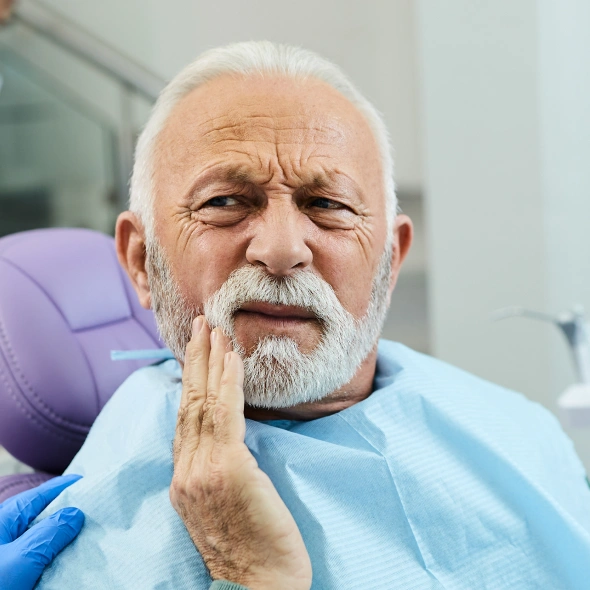
Whether you're dealing with a painful wisdom tooth, severe decay, or overcrowding, tooth extraction is sometimes the most effective way to protect your long-term oral health. Our experienced dental team performs simple and surgical tooth extractions in Kanata in a calm, comfortable environment — so you feel informed and at ease every step of the way.
We're currently accepting new patients from Kanata and across Ottawa West.
When is a Tooth Extraction Necessary
- Severe tooth decay or infection that has damaged the tooth beyond repair
- Advanced gum disease causing loosening of one or more teeth
- Impacted wisdom teeth that are causing pain, crowding, or infection
- Overcrowding ahead of orthodontic treatment
- A cracked or broken tooth that cannot be restored with a crown or filling
- Baby teeth that haven't fallen out naturally and are blocking permanent teeth
Types of Tooth Extractions We Perform
Simple Extraction
Surgical Extraction
Your Extraction Appointment at Village Green Dental Care

Before the procedure
During the procedure
After the procedure
Recovering From a Tooth Extraction
- Take all prescribed or recommended pain medications as directed
- Apply an ice pack to your cheek in 10-minute intervals for the first few hours to reduce swelling
- Rest and avoid strenuous activity for the first 24 hours
- Eat soft foods such as soup, yogurt, and mashed potatoes on the day of and the day after your extraction
- Continue brushing and flossing normally, but carefully avoid the extraction site
- Do not smoke, use a straw, or rinse forcefully for at least 48 hours, as this can dislodge the blood clot and delay healing
Book Your Tooth Extraction Consultation in Kanata
Frequently Asked Questions About Tooth Extractions
Tooth extractions can be needed for a variety of different reason, including:
- Overcrowded Teeth
- Tooth Decay
- Damaged Teeth
- Infection & Gum Disease
- Impacted Teeth
The first step of the tooth extraction procedure is to surround the area around the tooth with local anesthetic – to make sure that you don’t feel any pain. Once the anesthetics kick in, your dentist will use a variety of specialized tools like an elevator to loosen your tooth and forceps to extract your tooth.
Once the procedure is over, your dentist will provide you with specific instructions to care for your extraction site to prevent infection. This will typically include using sterile gauze to absorb the bleeding and rinsing with warm salt water.
There are several ways to ensure a quick and healthy healing process after your tooth extraction:
- Eat soft foods and avoid drinking through straws for 24 hours
- Ice the area to sooth pain
- Place gauze on the wound to reduce bleeding
- Avoid blood-thinning medications
- Carefully brush your teeth to avoid aggravating the extraction site