

What Your Teeth Cleaning Can Actually Remove (And What It Can’t)

Many patients in Kanata sit down for a cleaning and expect to leave with a perfectly white smile. That expectation is understandable — but it is not always realistic. Understanding what your teeth cleaning can actually remove in Kanata helps you plan the right treatments. Dr. Allen Feng at Village Green Dental Care wants every patient to walk away informed, not disappointed.
A professional cleaning does a lot of important work. It removes buildup that brushing simply cannot reach. But it has limits — especially when it comes to the colour of your teeth. Let us break down exactly what happens during your cleaning and where those limits fall.
What a Professional Teeth Cleaning Actually Removes
A dental cleaning is performed by a registered dental hygienist. They use specialized tools to clean areas your toothbrush misses entirely. The cleaning targets two main types of buildup: plaque and tartar.
Plaque is a soft, sticky film of bacteria. It forms on your teeth every single day. If you brush and floss well, you remove most of it yourself. But some areas are always missed.
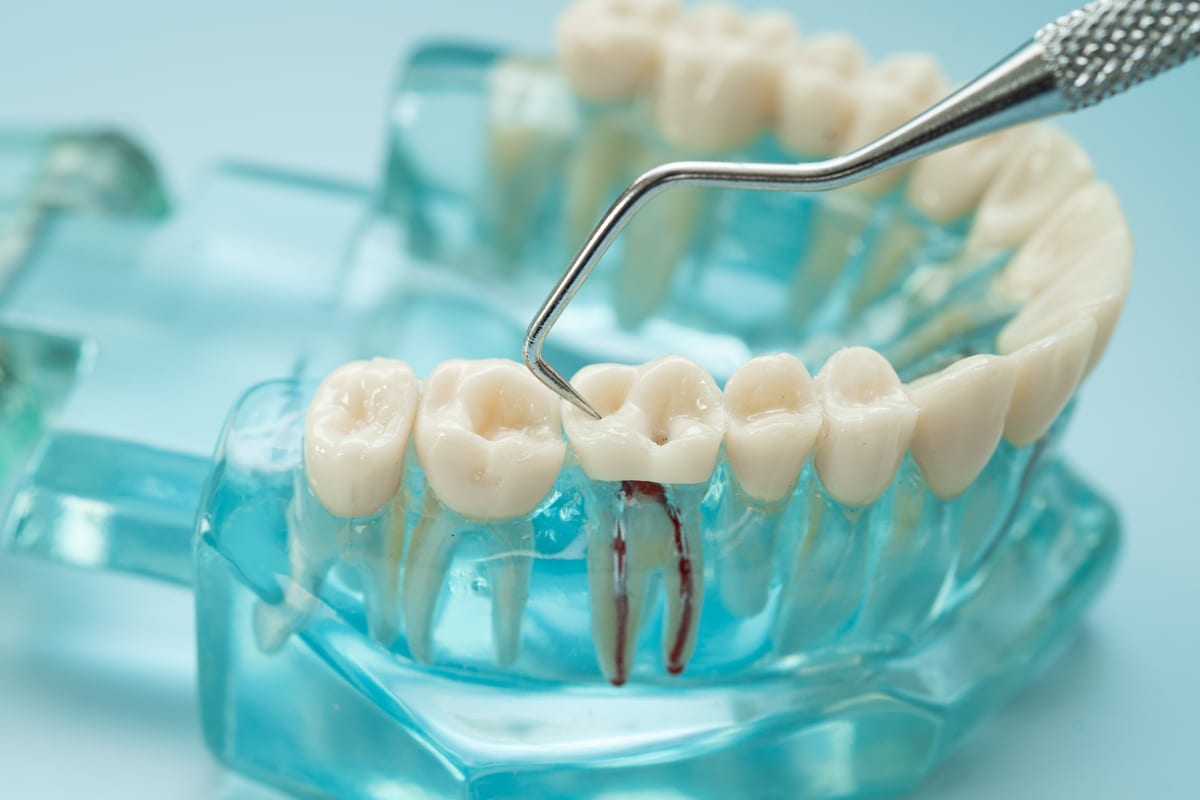
Tartar (also called calculus) is hardened plaque. Once plaque hardens, no toothbrush can remove it. Only a hygienist’s instruments can break it away safely. Tartar removal is one of the most important reasons to visit us every six months.
Here is a summary of what a standard cleaning removes:
- Soft plaque deposits along the gumline
- Hardened tartar on tooth surfaces and between teeth
- Surface stains caused by food, coffee, tea, and red wine
- Bacterial biofilm that contributes to gum disease
- Debris trapped in hard-to-reach spots
After removing buildup, your hygienist polishes your teeth. This polishing step uses a gritty paste and a rotating cup. It buffs away light surface stains and leaves your teeth feeling smooth. That smooth surface also makes it harder for plaque to stick going forward.
Which Stains a Cleaning Can Remove in Kanata — And Which It Cannot
This is where realistic expectations really matter. Not every stain responds to a cleaning. There are two categories of tooth staining, and they behave very differently.
Extrinsic stains sit on the outer surface of your enamel. These come from what you eat and drink. Coffee, tea, red wine, berries, and tobacco all cause extrinsic staining. Because these stains are on the surface, a professional cleaning and polish can often reduce or eliminate them.
Intrinsic stains live inside the tooth itself. They develop from within the dentin layer. Causes include certain antibiotics taken during childhood, excessive fluoride exposure, aging, or past trauma to a tooth. A cleaning cannot touch these stains at all. They require a cosmetic approach to address.
Many patients also experience staining that falls somewhere in between. Years of heavy coffee drinking, for example, can push extrinsic stains deeper into microscopic surface pores. A cleaning will improve the appearance — but it may not fully restore the original shade. That is perfectly normal and not a failure of the cleaning.
When Teeth Whitening Is the Right Next Step
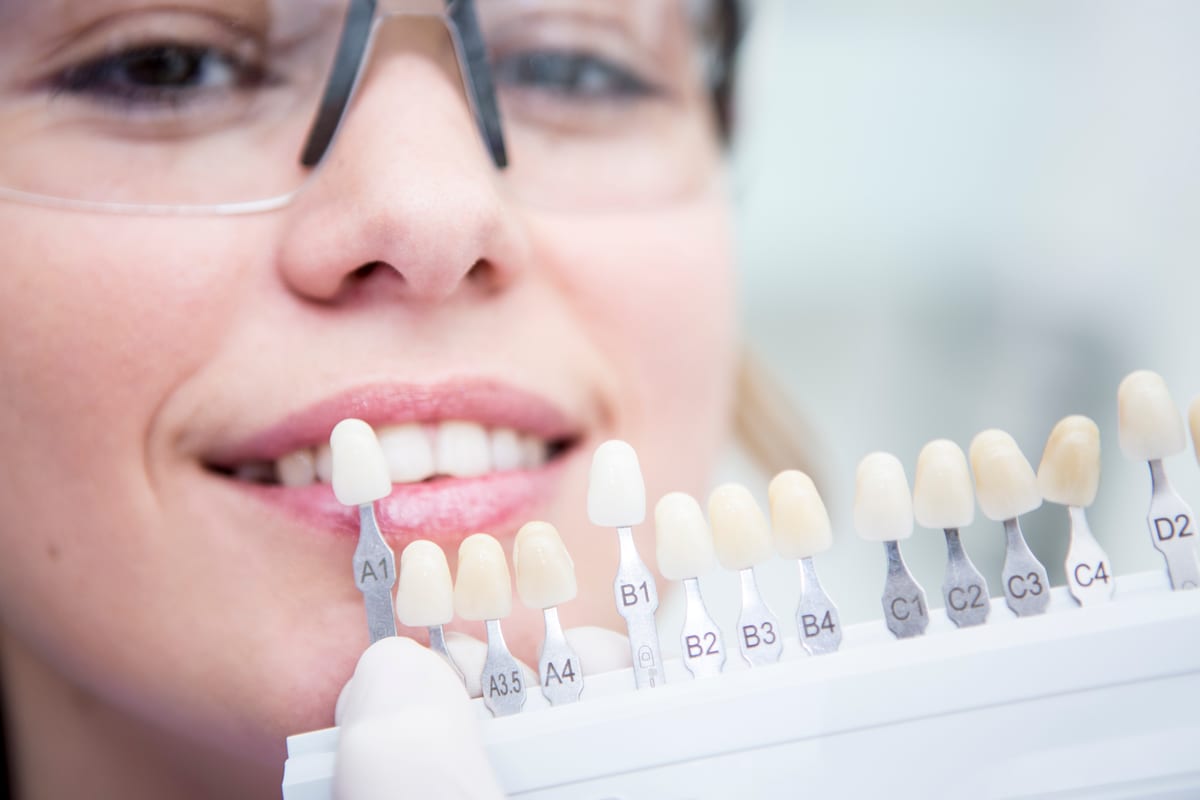
If your stains persist after a professional cleaning, whitening is the logical next step. Teeth whitening treatments use peroxide-based gels to penetrate enamel. They lift stains that polishing cannot reach. Village Green Dental Care offers professional whitening options that are far more effective than store-bought strips.
It is important to understand that whitening works on natural tooth enamel only. It does not change the colour of crowns, veneers, or bonding. If you have restorations in visible areas, talk to Dr. Feng before starting whitening. He can help you plan a result that looks natural and consistent.
Consider whitening if you notice any of the following after your cleaning:
- Your teeth still look yellow despite no tartar buildup
- Coffee or tea staining has been present for many years
- You have overall discolouration rather than isolated spots
- You want a noticeably brighter smile for an upcoming event
- You have quit smoking and want to refresh your appearance
A cleaning always comes first. Whitening on teeth with tartar buildup is less effective and can cause sensitivity. Get clean, then get bright — that is the right order.
What to Expect During Your Cleaning at Village Green Dental Care
Knowing what happens during your appointment helps you feel prepared. Here is a simple breakdown of the process at our Kanata practice.
- Health review: Your hygienist reviews your medical history and any concerns you have raised.
- Examination: We check for signs of gum disease, cavities, and other issues before cleaning begins.
- Scaling: The hygienist removes tartar using hand instruments or an ultrasonic scaler.
- Polishing: A rotating cup with polishing paste buffs surface stains away.
- Flossing: We clean between each tooth to remove any remaining debris.
- Rinse: You rinse away any residue from the cleaning process.
- Doctor check: Dr. Feng examines your teeth and discusses any findings or recommendations.
Most cleanings take between 45 and 60 minutes. Some patients feel nervous about dental appointments. We understand that completely. For patients who experience dental anxiety, we offer Sedation Dentistry Kanata to make the experience comfortable and stress-free.
We also welcome younger patients at Village Green Dental Care. Building healthy habits early makes a real difference. Our team provides Childrens Dentistry Kanata in a warm, gentle environment designed to put kids at ease.
How to Keep Your Results Lasting Longer Between Visits
After your cleaning, your teeth are in their best possible condition. What you do next determines how long that lasts. Good habits at home extend the benefits of every professional visit.
Brush twice daily using a soft-bristled toothbrush and fluoride toothpaste. Floss every single day — this is not optional. Food and bacteria between teeth cause the majority of tartar buildup. Flossing removes what brushing cannot reach.
Rinse with water after consuming coffee, tea, or red wine. This simple habit slows surface staining significantly. Using a straw for dark beverages also reduces contact with your teeth. Small changes add up over time.
Visit us every six months for your regular cleaning. Some patients with gum disease history benefit from more frequent visits. Dr. Feng will recommend the schedule that fits your specific needs.
Conclusion
A professional cleaning is one of the most valuable things you can do for your oral health. It removes plaque, tartar, and surface stains that daily brushing simply cannot address. But it works within specific limits — especially when it comes to deep or intrinsic discolouration. Knowing what your teeth cleaning can actually remove in Kanata helps you set realistic goals and plan the right follow-up treatments. If whitening is the next step for you, our team is here to guide that conversation with honesty and expertise. Book Now to schedule your appointment with our team.
Frequently Asked Questions
Will a teeth cleaning make my teeth whiter?
A cleaning removes surface stains and tartar, which can make your teeth look brighter. However, it does not change the natural colour of your enamel. For a noticeably whiter shade, professional teeth whitening is the appropriate next step after your cleaning.
How often should I get a professional cleaning in Kanata?
Most patients benefit from a cleaning every six months. Patients with a history of gum disease or heavy tartar buildup may need visits every three to four months. Dr. Allen Feng will recommend the right schedule based on your individual oral health needs.
Can a cleaning remove tobacco stains from my teeth?
A cleaning and polish can reduce tobacco staining, especially if the stains are relatively recent. Heavy or long-term tobacco staining may require professional whitening in addition to your cleaning. Your hygienist will give you an honest assessment of what is achievable during your visit.
Is teeth whitening safe to do right after a cleaning?
Yes — in fact, whitening is most effective when done on freshly cleaned teeth. Tartar and plaque buildup can block the whitening gel from reaching enamel evenly. We recommend getting a cleaning first and then discussing your whitening options with Dr. Feng.
Does a cleaning hurt?
Most patients experience little to no discomfort during a routine cleaning. Patients with sensitive teeth or inflamed gums may feel some pressure or mild sensitivity during scaling. If you feel anxious about your appointment, ask us about our sedation options to help you stay comfortable throughout.