60 Colchester Square #1, Kanata, ON K2K 2Z9




Oral hygiene is essential for maintaining not just a dazzling smile but also overall health. However, it’s easy to wonder, “How often should oral hygiene checks take place to keep my mouth in top shape?”
From daily brushing habits to regular dental visits, oral hygiene involves many small, daily steps that add up to big benefits.
Here are the top 10 tips for maintaining healthy teeth and gums, backed by expert advice on dental hygiene and nutrition.
1. Brush Twice Daily
It may sound simple, but brushing twice a day is the foundation of good oral hygiene. Regular brushing removes plaque, a sticky film of bacteria that can lead to cavities and gum disease if not removed. Use a soft-bristled toothbrush and fluoride toothpaste to effectively clean all tooth surfaces. A good rule of thumb is to brush for two minutes each time. If you’re ever unsure about brushing techniques, consider asking your dentist during a checkup – they’re more than happy to guide you.
2. Floss Daily
Many people skip flossing, but it’s just as important as brushing. Flossing helps remove food particles and plaque from between your teeth and under the gumline, areas a toothbrush can’t always reach. This reduces the risk of gum disease and keeps your mouth healthier. A great tip: keep floss in easy-to-reach places, like your bathroom or purse, to make flossing a habit.

3. Visit Your Dentist Regularly
Wondering “How often dental hygiene checks should take place?” Generally, dental professionals recommend visiting your dentist at least twice a year for a routine cleaning and checkup. Regular dental visits are essential for detecting problems early, allowing for timely and less invasive treatments. During these appointments, your dentist or hygienist will thoroughly clean your teeth and offer insights into how your oral hygiene habits are impacting your dental health.
Read More: How Often Should You Get Your Teeth Cleaned?
4. Use Mouthwash for Extra Cleanliness
Adding mouthwash to your routine can enhance your oral hygiene by reaching areas that brushing and flossing might miss. Look for a mouthwash with fluoride to help strengthen your teeth and prevent decay. Many mouthwashes also contain antiseptic ingredients to kill bacteria and freshen your breath.
5. Watch Your Diet: Dental Hygiene and Nutrition
It’s easy to overlook the impact of nutrition on oral health, but what you eat affects your teeth and gums significantly. Foods rich in calcium, such as dairy products, leafy greens, and almonds, support strong teeth. Avoid excessive sugary snacks and drinks, which contribute to tooth decay. Consider incorporating crunchy fruits and vegetables into your diet; their natural abrasiveness helps clean teeth and stimulate saliva production.
6. Limit Sugary and Acidic Drinks
Frequent exposure to sugary and acidic drinks, like soda and fruit juices, can wear down tooth enamel and lead to cavities. If you do enjoy these drinks, try to consume them with meals rather than alone and use a straw to minimize contact with your teeth. Additionally, drinking water afterward can help wash away acids and sugars.
7. Replace Your Toothbrush Regularly
Toothbrushes wear out over time and become less effective. Dentists recommend replacing your toothbrush every three to four months, or sooner if the bristles are frayed. This helps ensure you’re getting an effective clean each time you brush. Electric toothbrushes are a good alternative as they often clean more effectively than manual brushes.
8. Drink Plenty of Water
Water plays a crucial role in maintaining oral hygiene. It helps wash away food particles and bacteria, keeps your mouth hydrated, and prevents dry mouth – a condition that can increase your risk of decay. Drinking water after meals also helps rinse away acids produced by food, contributing to healthier teeth and gums.
9. Avoid Tobacco Products
Smoking and chewing tobacco have serious negative impacts on your oral health. Tobacco use increases the risk of gum disease, tooth decay, and oral cancer. Additionally, it stains your teeth and can cause bad breath. For the sake of your oral and overall health, consider quitting tobacco products. Your dentist can recommend resources to help you make this important change.
10. Be Mindful of Your Habits
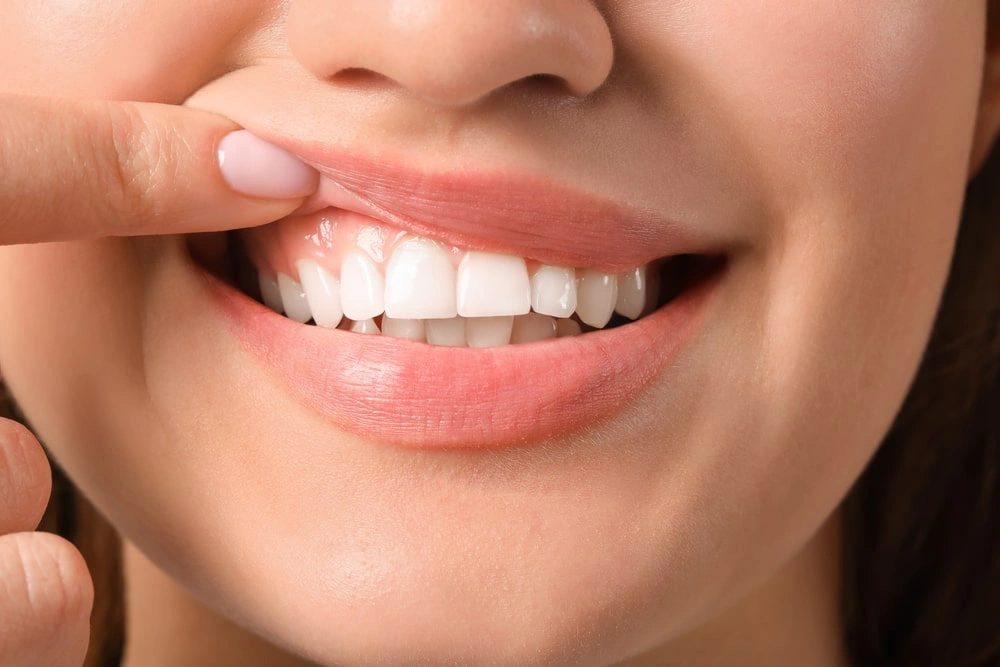
Finally, be aware of habits that could harm your teeth, such as grinding, chewing on ice, or biting nails. These actions can wear down enamel or even cause cracks in your teeth. If you grind your teeth, especially at night, a mouth guard may be a helpful investment. Avoiding habits that put undue stress on your teeth can help keep your smile healthy and intact.
Final Thoughts: Book A Dental Cleaning Today!
Maintaining a healthy mouth is a mix of daily habits and regular professional care. Following these top 10 tips can help you keep your teeth strong, your gums healthy, and your smile bright. And remember, if you’re ever unsure about any aspect of your oral hygiene routine, don’t hesitate to reach out to your dentist. They can provide tailored advice, ensuring you make the best choices for your dental health.
If you’re looking to book your next dental cleaning appointment, contact Village Green Dental today!