60 Colchester Square #1, Kanata, ON K2K 2Z9



Loose Tooth: When It’s Normal (Kids) vs. When It’s a Dental Emergency (Adults)
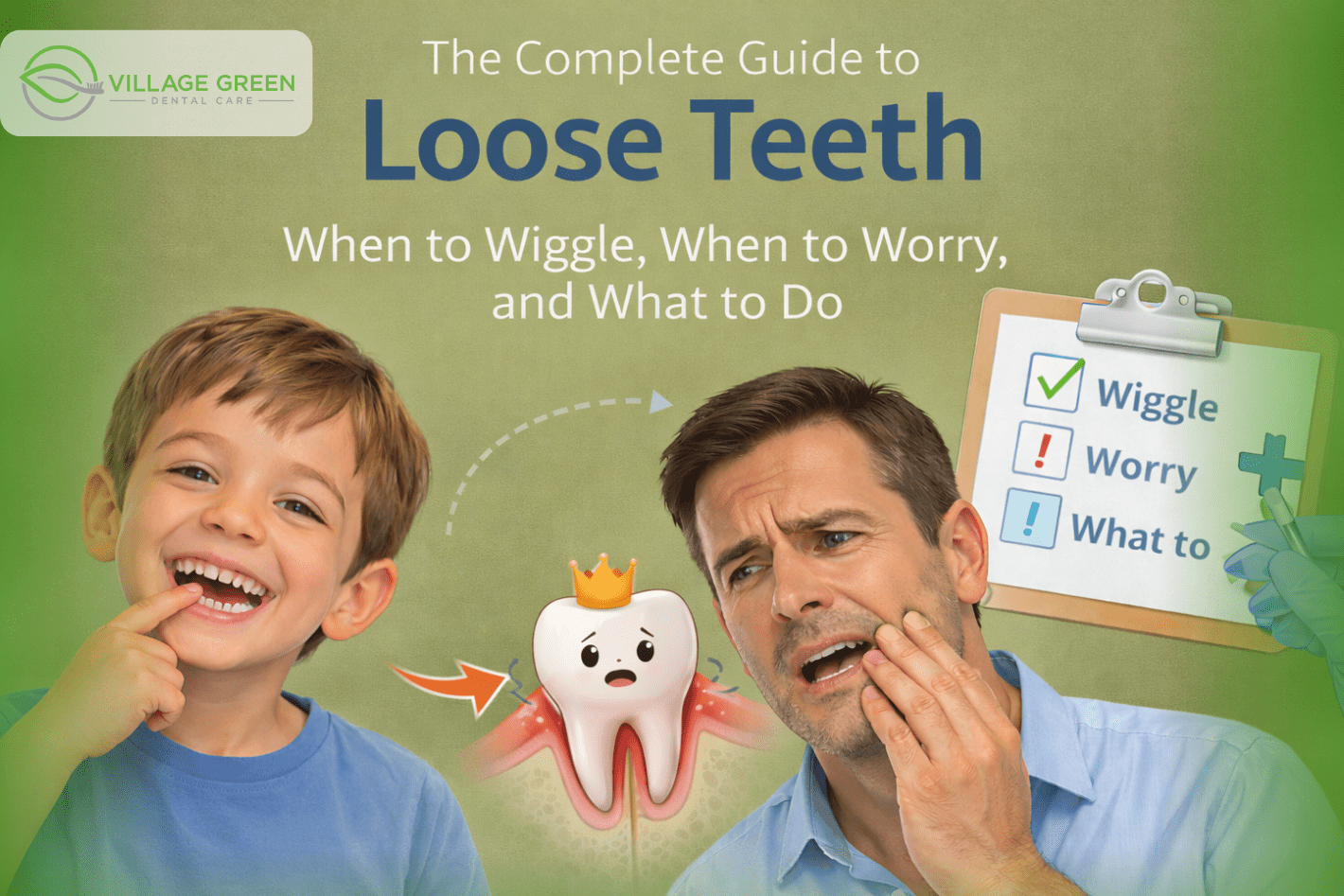
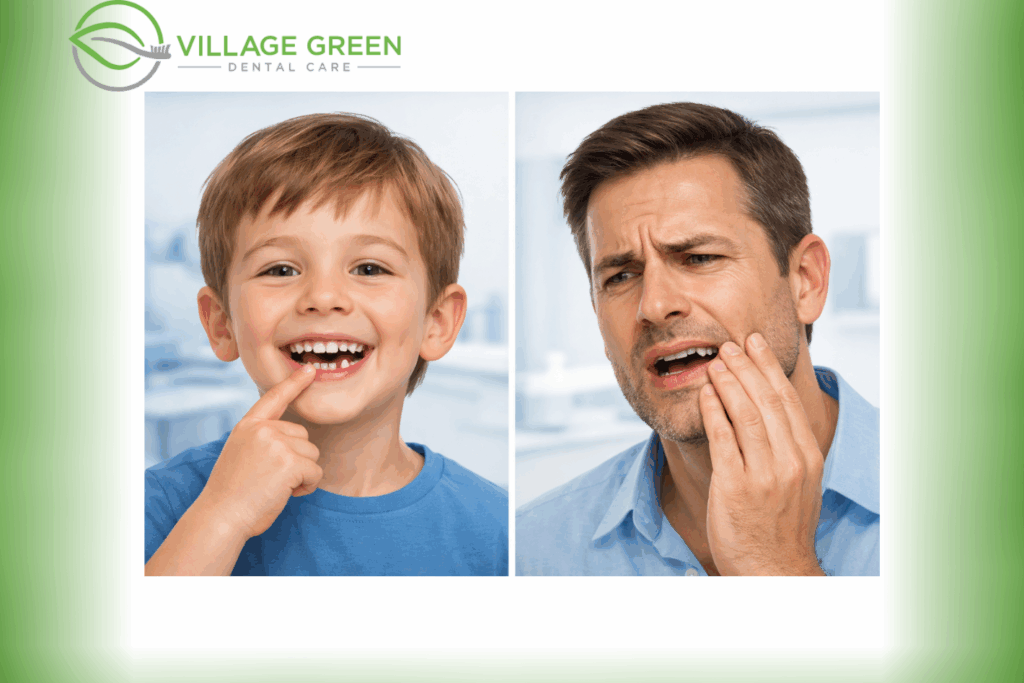
A loose tooth can have two completely different meanings depending on who you are. For young children, a wiggly tooth is often exciting—because it means the Tooth Fairy might visit soon. For adults, however, a loose permanent tooth is usually a warning sign that something needs attention. Sometimes, teeth can even feel loose without actually moving. This guide will help you understand the difference between harmless wiggling and real dental danger.
I. Introduction: The Types of “Loose”
The Normal (Kids)
Children naturally lose baby teeth to make space for permanent teeth. These teeth are supposed to fall out, and gentle wiggling is usually harmless. If you want to learn more about kid-focused dental care and preventive habits, visit our Children’s Dentistry page.
Go to Emergency Dental Care to book an appointment.
The Warning Sign (Adults)
A permanent tooth is not expected to move. If it does, it can be caused by gum disease, injury, or grinding/clenching. If your tooth feels loose after an accident or sports impact, treat it as urgent—our team shares what to do here: Emergency Dental Care: What to Do & Where to Go.
The “Sensation” (Feels Loose, But Isn’t)
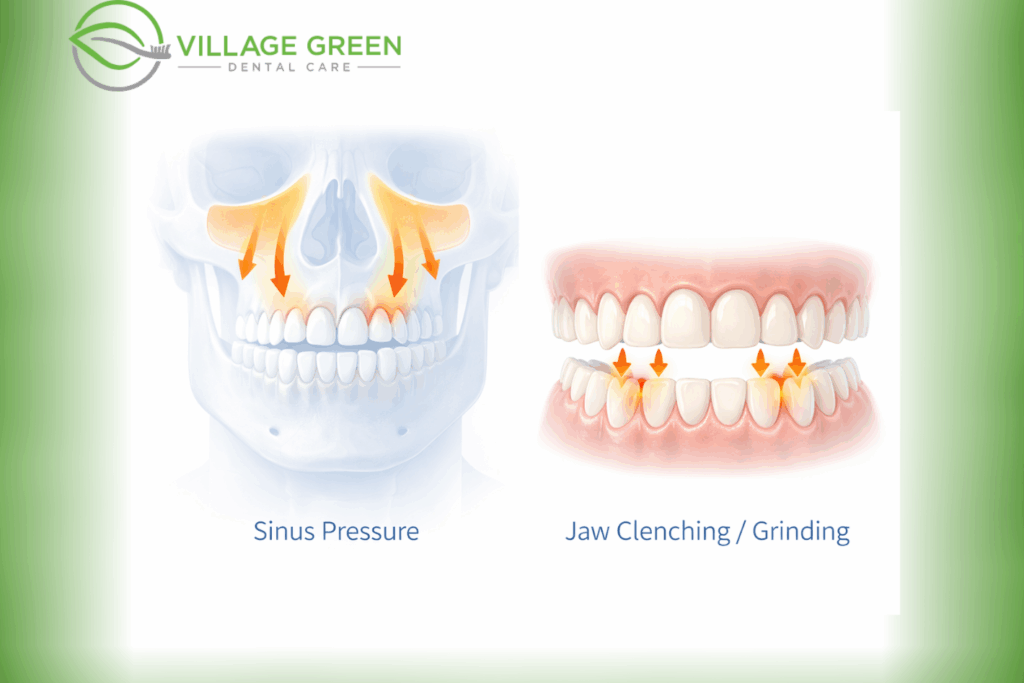
Sometimes your teeth may feel loose without truly being loose. This can happen due to:
- Sinus pressure
- Heavy grinding at night
- Swollen or inflamed gums
This sensation may settle once the underlying cause improves. If it doesn’t, book an assessment—early evaluation matters. Regular checkups can catch gum inflammation before it turns into something bigger: Dental X-Rays & Exams.
II. For Parents & Kids: The Baby Tooth Guide
1) When Do Kids Lose Teeth?
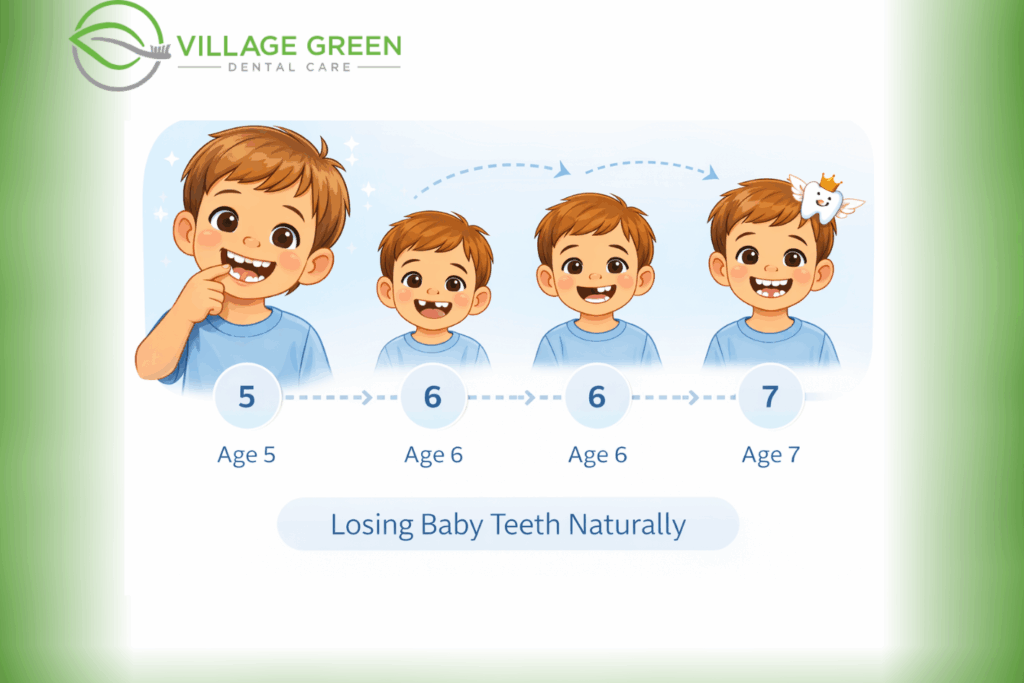
Most children lose their first tooth around ages 5–7. If a 3-year-old loses a tooth, that’s usually not part of normal development— it’s more likely due to a fall or accident. In that situation, a dental visit is recommended to ensure the tooth and surrounding area are okay. If you’re preparing for your child’s first appointment, this guide can help: How to Prepare Your Child for Their First Visit.
2) Signs a Baby Tooth Is Ready
A baby tooth is usually ready to come out when:
- It wiggles freely
- It’s hanging by a tiny “thread”
- It comes out without pain
- The gums look normal (pink, not swollen or very red)
How to Help a Baby Tooth Come Out (Gentle Methods)
- Wiggle method: Let your child gently wiggle it with their tongue or clean fingers.
- Food trick: Biting an apple (or corn on the cob) can help it come out naturally if it’s ready.
- The twist: If it’s already very loose, a gentle twist may help—but only if there’s no pain.
- Fun ideas (with supervision): “Rocket-ship floss pull” can be done carefully only when the tooth is already hanging. Avoid risky tricks if the tooth isn’t truly ready.
Aftercare
- Expect a little bleeding—bite on clean gauze or a clean cloth for a few minutes.
- Keep the area clean and avoid poking at the socket.
And of course… it’s Tooth Fairy time.
III. For Adults: Why is My Permanent Tooth Loose?
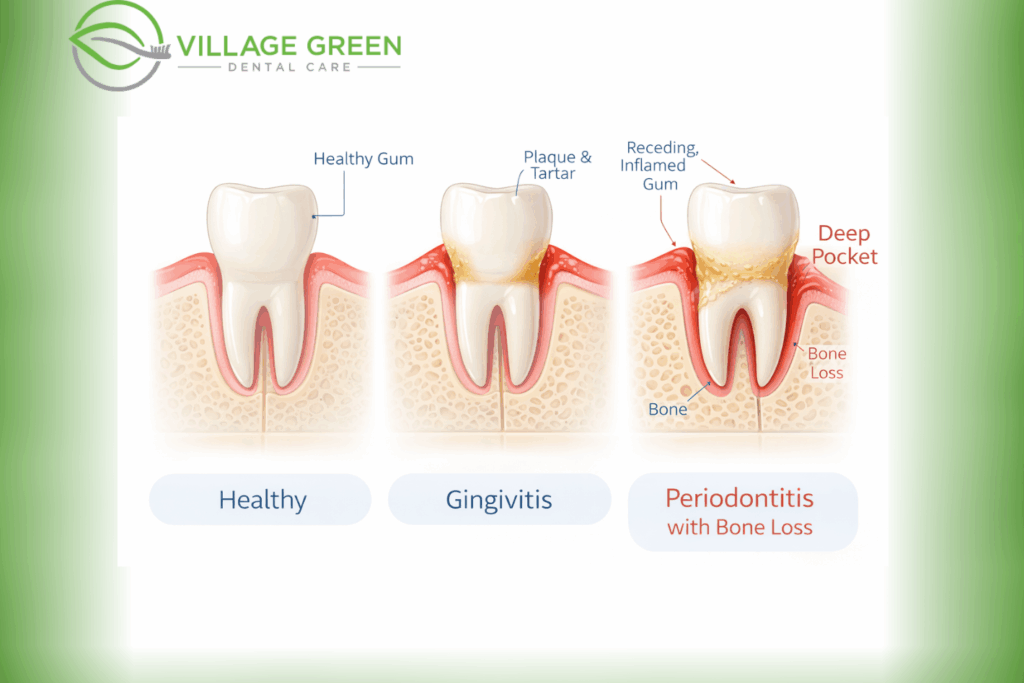
If you’re an adult and feel a tooth moving, take it seriously. Common reasons include:
1) Gum Disease (Periodontitis)
This is one of the most common causes. Infection can damage the tissues and bone that hold teeth in place. As support weakens, teeth can start to wobble. If you want to compare symptoms visually, this post is helpful: What Does Gum Disease Look Like?.
2) Trauma or Injury
Sports accidents, falls, or a blow to the mouth can loosen a tooth quickly. If the tooth feels “higher,” your bite feels different, or there’s bleeding, treat it as urgent. You can also review common emergencies here: The 6 Most Common Dental Emergencies.
3) Grinding (Bruxism)
Chronic clenching or grinding puts excess strain on teeth and supporting structures. A night guard can help protect your teeth—this is mentioned in our oral hygiene tips as a protective habit: Top 10 Oral Hygiene Tips for Healthy Teeth.
4) Hormonal Changes (Pregnancy)
Some people notice mild tooth looseness during pregnancy due to hormonal changes affecting gum tissues. This can improve after childbirth, but it’s still important to rule out gum disease—especially if there’s bleeding or swelling.
5) Symptoms to Watch For
- Bleeding gums
- Pain or pressure
- Gums that look “flappy” or receded
- Gaps getting bigger
- Your bite feels different
IV. Can a Loose Adult Tooth Be Saved?
In many cases, yes—especially when treatment happens early. The right plan depends on the cause and how much support has been lost.
Professional Treatments
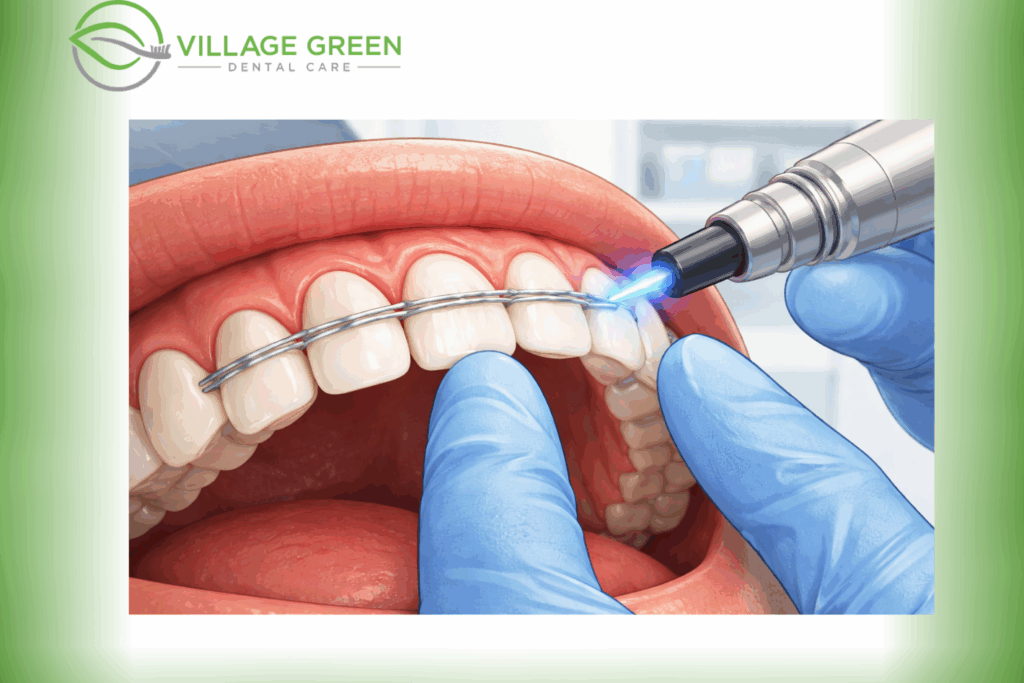
- Splinting: The dentist stabilizes the loose tooth by attaching it to nearby teeth, giving the supporting tissues time to heal.
- Deep cleaning (scaling & root planing): Removes bacteria and tartar from below the gumline to help gums tighten and reduce inflammation. (This is commonly referenced as periodontal treatment.)
- Bone grafting / regenerative care: May be considered if there is significant bone loss from advanced gum disease.
Home Care (Management, Not a Cure)
Home care won’t fix the root cause, but it can reduce irritation and help you avoid making things worse:
- Stick to soft foods on the affected side
- Warm salt-water rinses for comfort
- If you grind at night, ask about a night guard
Important: A loose adult tooth is time-sensitive. If you’re in pain, swelling, or the tooth loosened after trauma, follow the emergency steps here: Immediate Steps for Dental Emergencies.
V. The “Do Not DIY” Zone: Removing Adult Teeth
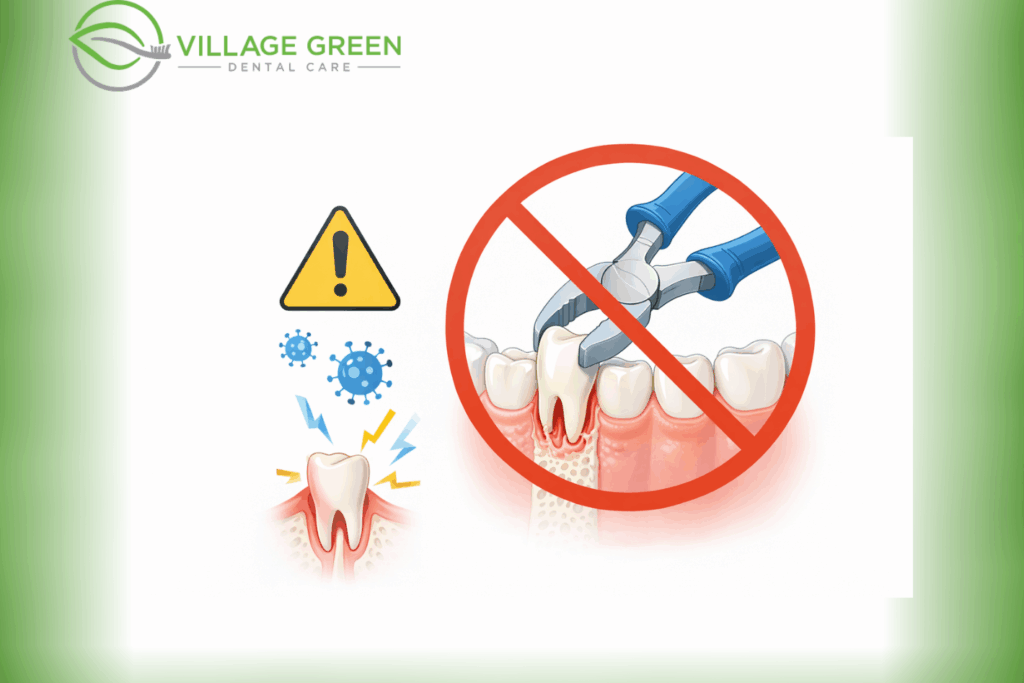
When it comes to permanent teeth, DIY pulling is never safe. A loose or painful adult tooth may tempt you to “just pull it,” but doing so can cause serious complications.
A) Why You Should Not Pull a Tooth Yourself
- Root fracture: Adult teeth have long roots. Pulling at home can break the root and leave pieces behind—raising infection risk and pain.
- Serious infection risk: Infected areas contain bacteria. Trauma to the gums can worsen infection and cause wider health issues.
- Nerve/tissue damage: Incorrect force can damage nearby tissues and lead to lasting pain or numbness.
B) What You Should Do Instead
If your tooth is loose, broken, or severely decayed, the safest step is to see a dentist. If an extraction is needed, it should be done professionally, with proper pain control and infection management. Learn about the process and recovery here: Tooth Extractions in Kanata and Tooth Extraction Recovery & Aftercare.
Frequently Asked Questions (FAQs)
1) Can a loose adult tooth tighten back up on its own?
Sometimes—but usually only with timely treatment, especially if the cause is gum inflammation or grinding. The earlier you address it, the better the chance of saving the tooth.
2) How can I pull my child’s loose tooth without pain?
Only help it out when it’s already very loose or “hanging.” Gentle wiggling or biting into an apple is often enough. If there’s pain, swelling, or bleeding that doesn’t settle, see a dentist.
3) Is it safe to pull a rotten permanent tooth at home?
No. It’s not safe. A dentist can remove it properly and treat any infection to protect your overall health.
4) Why do my teeth feel loose in the morning?
This is commonly linked to night grinding/clenching. It can also be related to inflammation in the gums.
5) At what age do kids start losing teeth?
Most kids start losing baby teeth around ages 5–7, and it continues through the early school years.
6) My 3-year-old knocked a tooth loose—what should I do?
That’s usually due to trauma, not normal tooth loss. Schedule a dental visit promptly to evaluate the tooth and surrounding tissues.
7) How can I tighten a loose tooth at home?
Don’t try to tighten it at home. A loose adult tooth needs a professional diagnosis to treat the true cause (gum disease, trauma, bite forces, etc.).