

The Ultimate Guide to Tooth Discoloration: Why Your Teeth Change Color and How to Fix It
Tooth discoloration is one of the most common reasons people feel uneasy about their smile. The good news is that many stains are preventable, and most are treatable with the right approach.
I. Introduction
Tooth discoloration can happen for many reasons—some are simple lifestyle stains, while others may signal a deeper dental issue. Most stains fall into two main categories:
- Extrinsic stains – on the outer surface of your teeth; often linked to diet, smoking, plaque buildup, and pigmented drinks.
- Intrinsic stains – inside the tooth; often related to medications, trauma, aging, or changes in the tooth’s inner structure.
Many people assume “healthy teeth = pure white teeth,” but natural tooth shades vary. Even very healthy teeth can look off-white or pale yellow.
However, sudden darkening, grey tones, or black spots can sometimes point to infection, decay, or nerve damage—especially if there’s pain, swelling, or sensitivity.
If you’re unsure, a professional assessment is the fastest way to get clarity: Dental Exams & Teeth Cleaning.
II. The Color Guide: What Your Stains Are Telling You
1) Yellow Teeth
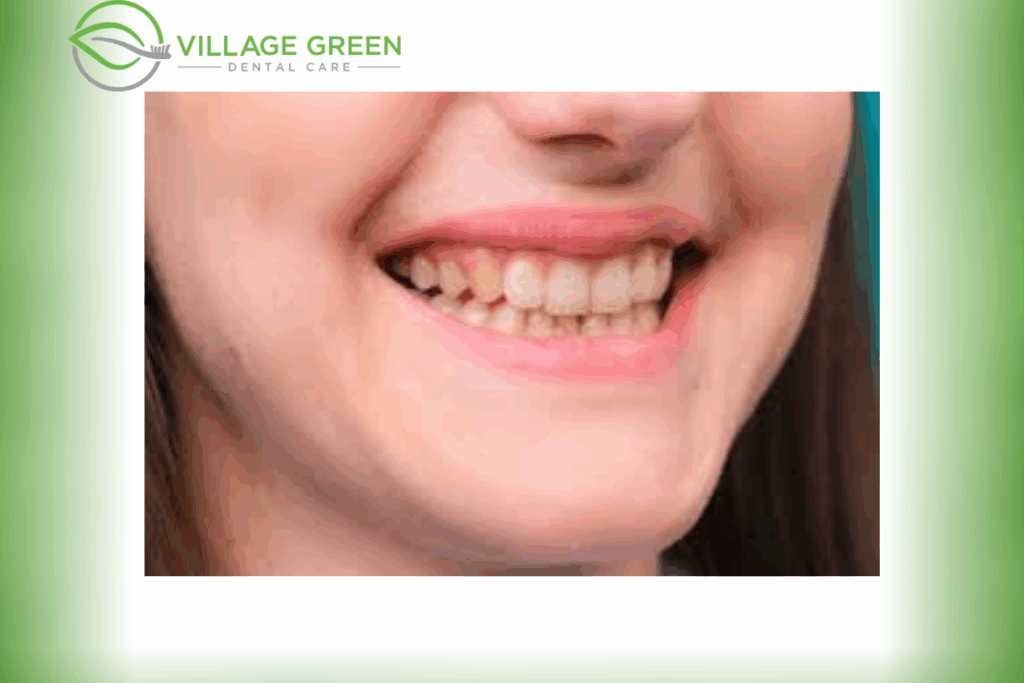
This is the most common complaint. Yellowing often happens due to age, enamel thinning, smoking, genetics, or frequent exposure to chromogenic foods/drinks (tea, coffee, turmeric, etc.).
2) Brown Stains or Lines
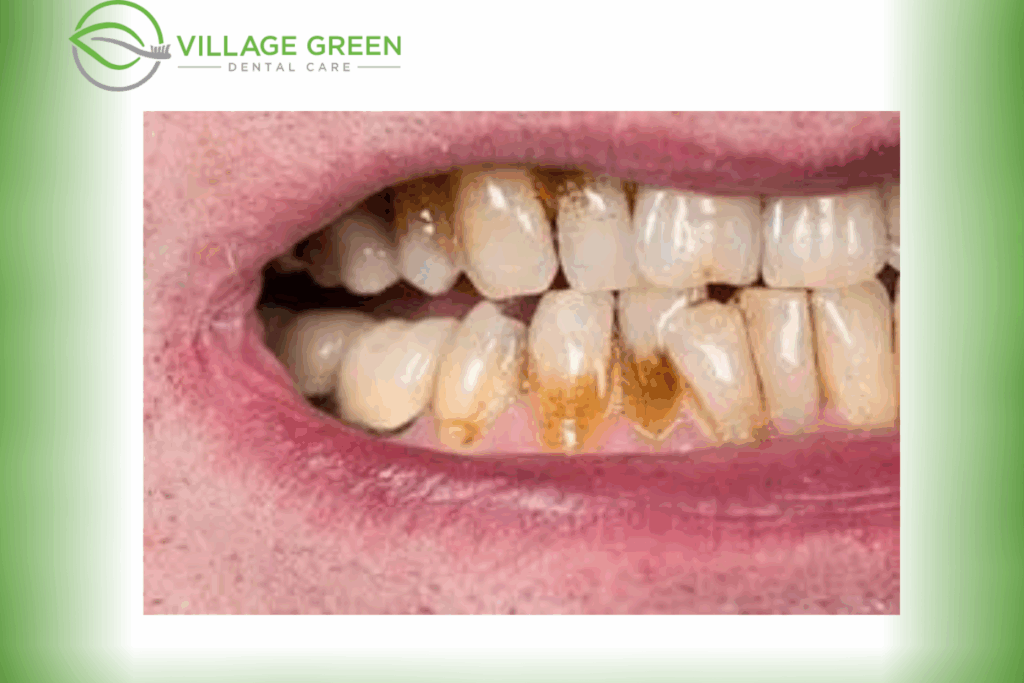
These often come from tartar buildup, tobacco use, or strong beverages. In some cases, early tooth decay can show up as brown patches.
3) Black Teeth or Black Spots
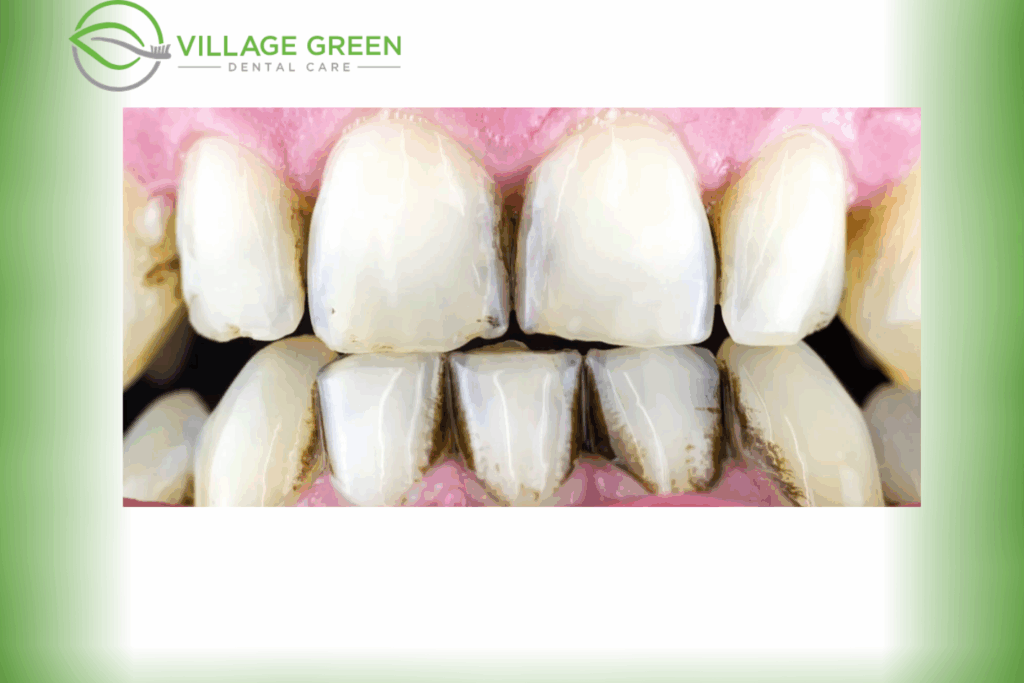
These are more concerning and may be linked to advanced decay, reactions from old silver fillings, iron supplements, or a dying (necrotic) tooth. Black lines near the gumline can also be tartar. If black spots appear suddenly—or you also notice swelling or pain—book an exam promptly.
4) Grey or Blue Teeth
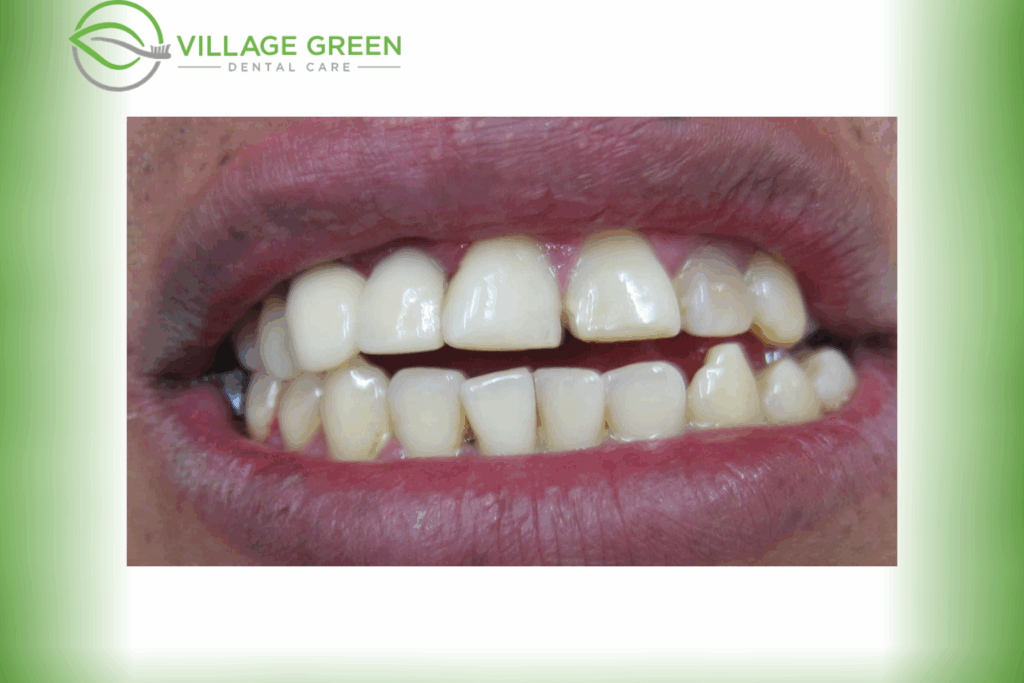
A tooth turning grey commonly signals trauma or a dead nerve. It can also occur after a root canal, or from certain antibiotics (such as tetracycline) taken during tooth development. If a tooth looks grey and feels “different,” it’s worth getting it assessed: Root Canal Therapy.
5) White Spots
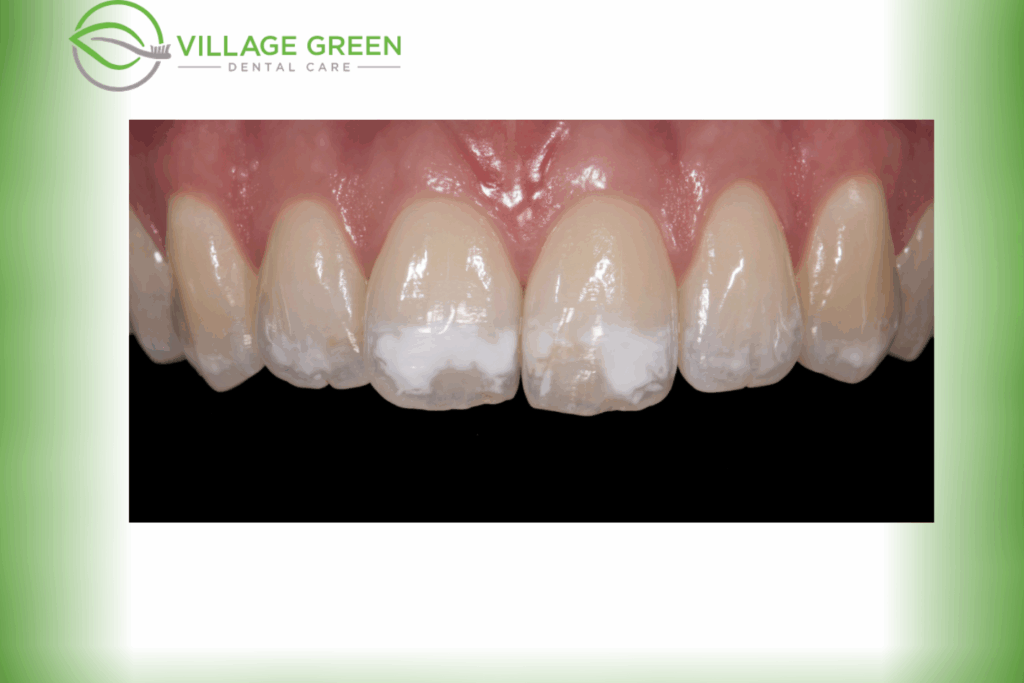
White spots can appear due to fluorosis, early demineralization before a cavity forms, or after braces when plaque wasn’t fully removed.
6) Orange, Green, or Purple Stains
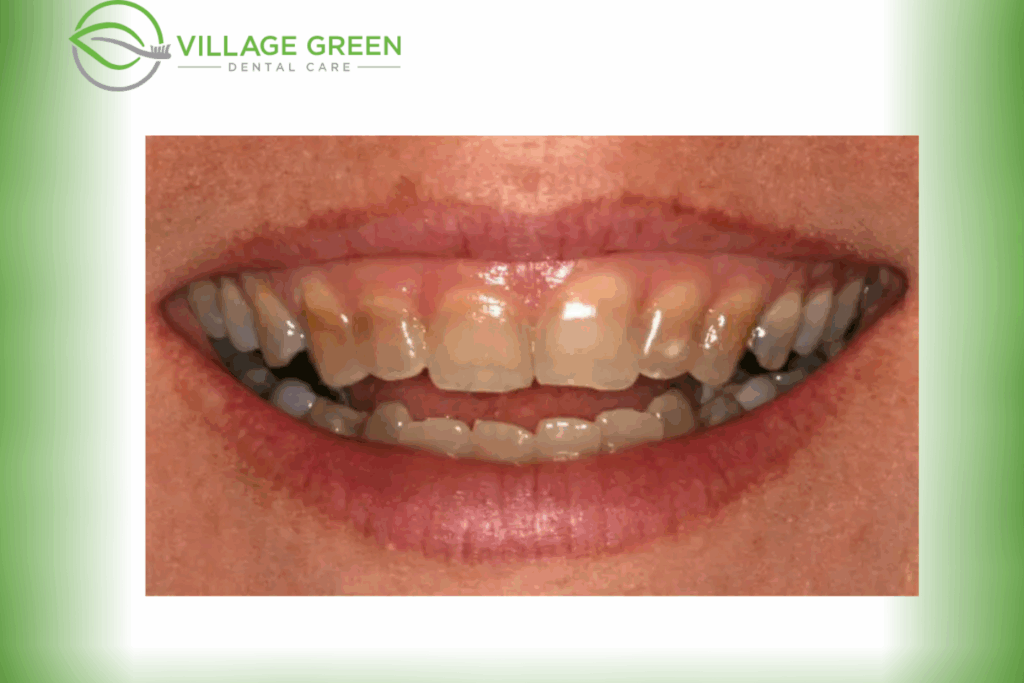
These unusual shades are seen more often in children and can be linked to chromogenic bacteria, plaque buildup, or inconsistent oral hygiene.
If staining is happening along with bleeding gums, gum recession, or persistent bad breath, this guide may help you identify what you’re seeing: What Does Gum Disease Look Like?
III. Causes of Discoloration
Tooth discoloration doesn’t happen randomly—there are clear reasons behind it.
1) Lifestyle Factors
Coffee, tea, red wine, smoking (tar and nicotine), and inconsistent brushing can slowly stain enamel.
Sugary foods can increase plaque buildup, which traps discoloration.
2) Medications & Antibiotics
- Tetracycline and doxycycline can cause deep intrinsic discoloration when taken during tooth development (commonly before age 8). These stains may look grey or brown and can be difficult to remove.
- Some antihistamines, antipsychotics, and blood pressure medications may darken teeth over time.
3) Trauma & Dental Procedures
Injury to a tooth may cause internal bleeding and color changes (pink, dark yellow, or grey). A tooth can also darken if the nerve is no longer vital.
4) Age & Genetics
As enamel thins with age, more dentin shows through—naturally making teeth look darker or yellower. Genetics also influences enamel thickness and shade.
5) Discoloration in Children
- Formula milk feeding
- Iron-containing supplements
- High fever or illness during tooth formation
- Bacterial changes
IV. Treatments & Solutions: How to Fix It
Once you know what kind of stain you’re dealing with, treatment becomes much easier—and more predictable.
1) Professional Dental Treatments
- Professional whitening – best for yellow or light brown stains. Learn more here: Teeth Whitening.
- Veneers – often chosen for deep intrinsic staining (including tetracycline-related discoloration). See options: Dental Veneers.
- Bonding – can help cover localized stains, chips, and cosmetic imperfections. Read more: Dental Bonding.
- Internal bleaching – sometimes used for a grey tooth after a root canal (case dependent).
- Microabrasion – may be considered for certain surface defects/white spot patterns (case dependent).
2) Whitening Gels and Strips
Whitening strips, gels, and whitening toothpaste can reduce surface stains, but they typically won’t correct deep intrinsic discoloration. Also, restorations like crowns and veneers don’t whiten the same way natural enamel does.
3) Natural Remedies (Use with Caution)
Charcoal, baking soda, and oil pulling trend online, but they aren’t magic solutions. Overuse of abrasive products (like charcoal/baking soda) can wear enamel and worsen sensitivity—so use caution and ask your dentist first.
4) If There’s a Loose Tooth
A discoloured tooth that also feels loose is a red flag. It can be linked to gum disease, trauma, or bone loss. If you’re seeing mobility + darkening, don’t wait—book an exam promptly. If it’s urgent (pain, swelling, injury), visit – Emergency Dentistry in Kanata.
V. Prevention
Prevention is easier than stain removal. These habits help keep your smile brighter long-term:
- Brush twice daily with a soft-bristled toothbrush and fluoride toothpaste.
- Floss daily to reduce plaque that traps stains.
- Cut back on stain-heavy drinks (coffee/tea/red wine); consider using a straw when it makes sense.
- Schedule professional cleanings about every 6 months (or as advised for your needs).
For daily enamel- and gum-protecting habits, see: Top 10 Oral Hygiene Tips for Healthy Teeth.
Not sure what’s causing your discoloration? Start with a professional checkup: Book a dental exam & cleaning.
VI. Frequently Asked Questions (FAQs)
1) Why did my tooth turn grey after a root canal?
A tooth without a living nerve can darken over time and appear grey. If the change is sudden or worsening, book an exam to confirm the cause.
2) Can you reverse yellow teeth naturally?
At-home care may lighten surface stains, but deeper discoloration typically needs professional whitening or cosmetic options.
3) Are yellow teeth unhealthy?
Not always. Dentin is naturally yellow, and enamel thickness varies by person—yellow doesn’t automatically mean poor health.
4) How does tetracycline cause discoloration?
It can bind to calcium during tooth development, creating intrinsic staining that may look grey, blue, or brown.
5) What do black spots mean if they aren’t cavities?
They may be tartar, iron stains, pigmentation from old restorations, or other changes—an exam is the safest way to confirm.
6) Why does my child have white spots on their teeth?
In many cases, it occurs due to fluorosis or early enamel demineralization. Your dentist can help identify the cause and next steps.
7) Can a loose tooth tighten again?
Sometimes—if it’s due to minor trauma or early gum inflammation. If it’s caused by advanced gum disease, it needs treatment.
8) What medications cause tooth color changes?
Tetracycline-class antibiotics, some antihistamines, antipsychotic drugs, and certain blood pressure medications can contribute to discoloration.
Related Articles